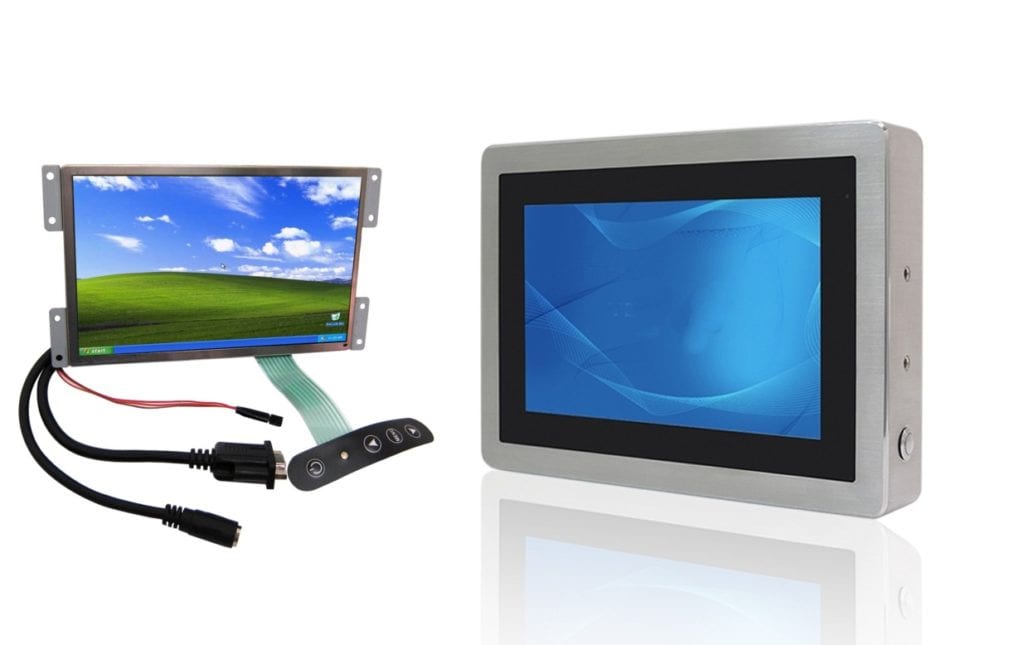
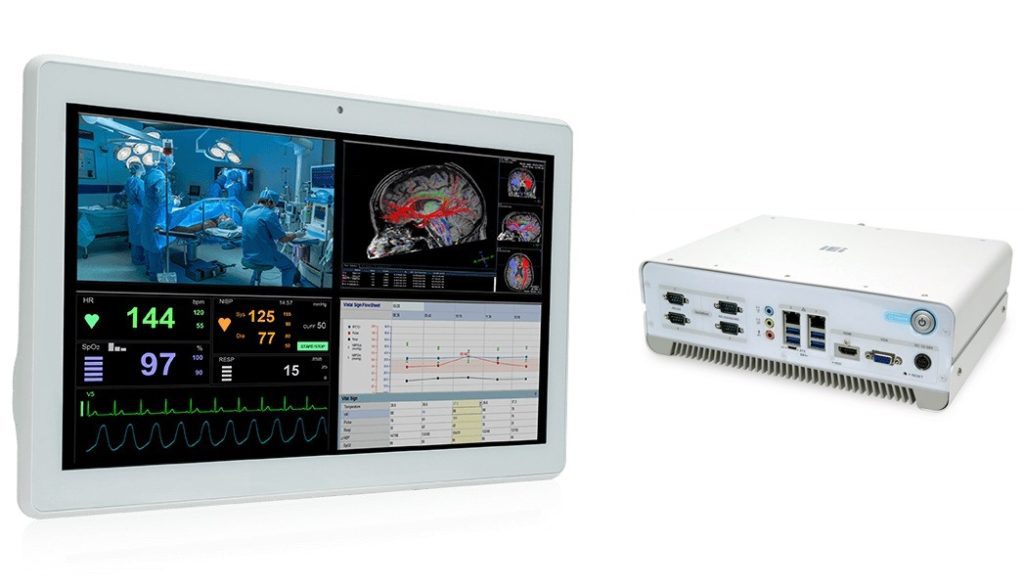
Offering a wide selection of Commercial Grade, Industrial Grade, and Medical Monitors. Commercial Grade are available in either housed or modular form. Industrial Grade includes Panel & VESA mounting, NEMA 4/4X and IP65/66/67 ratings, as well as fully sealed waterproof. Our Medical Monitors are designed for nurse’s stations, bedsides, and medical carts, and feature anti-bacterial housings.
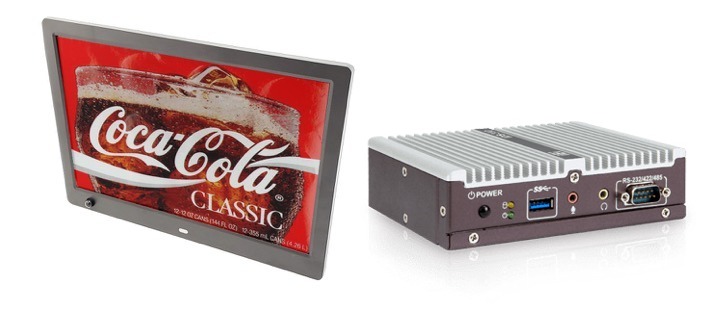
POP (Point Of Purchase) Video Screens are used to promote your product and provide information to potential customers about your products right where they are sold. With our Digital Signage Players you can promote your products, provide instructional information, or display your restaurant menu in high definition on any size screen, with either a stand-alone or WIFI connected player.
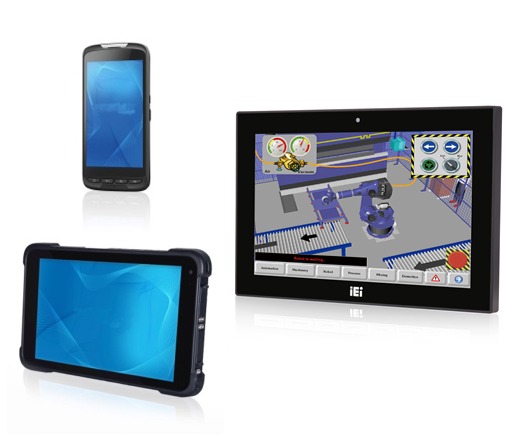
Miller Technologies provides you with the largest selection of LCD Panel PCs in one place in the industry. Featuring both Light and Heavy Duty Industrial Panel PCs with IP rated front panels, and Fully Sealed Waterproof PCs. We also offer a broad selection of Rugged Tablet PCs with both Windows and Android operating systems, and Handheld PCs for both industrial and medical applications.
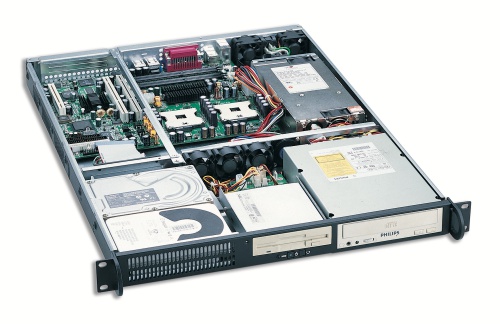
Offering the broadest selection of Industrial PC Products on the Web, including Rackmount & Compact Chassis and Enclosures, 1U/2U & PS/2 Computer Power Supplies, Industrial Motherboards & SBCs (Single Board Computers), Industrial and Medical Panel PCs, and more.
Miller Technologies offers a broad line of Medical Certified Computer Products to enhance the standard of care in all medical facilities. Products include All-in-One and Medical Cart Touchscreen PCs, Computer Monitors, Tablets and Handheld Computers, as well as Embedded/Box PCs.
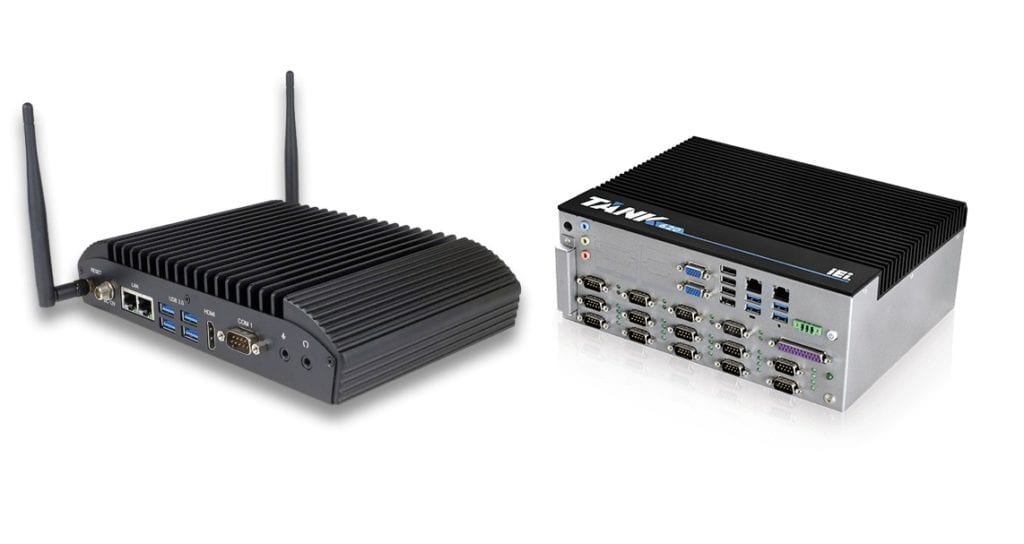
The largest selection of Rugged Mobile, Vehicle Mount, and Embedded Box PCs in one place. Designed to meet the needs of the rugged world of mobile computing applications, as well as use in areas where space is at a premium. Includes Medical Grade as well as IP65 Waterproof models.
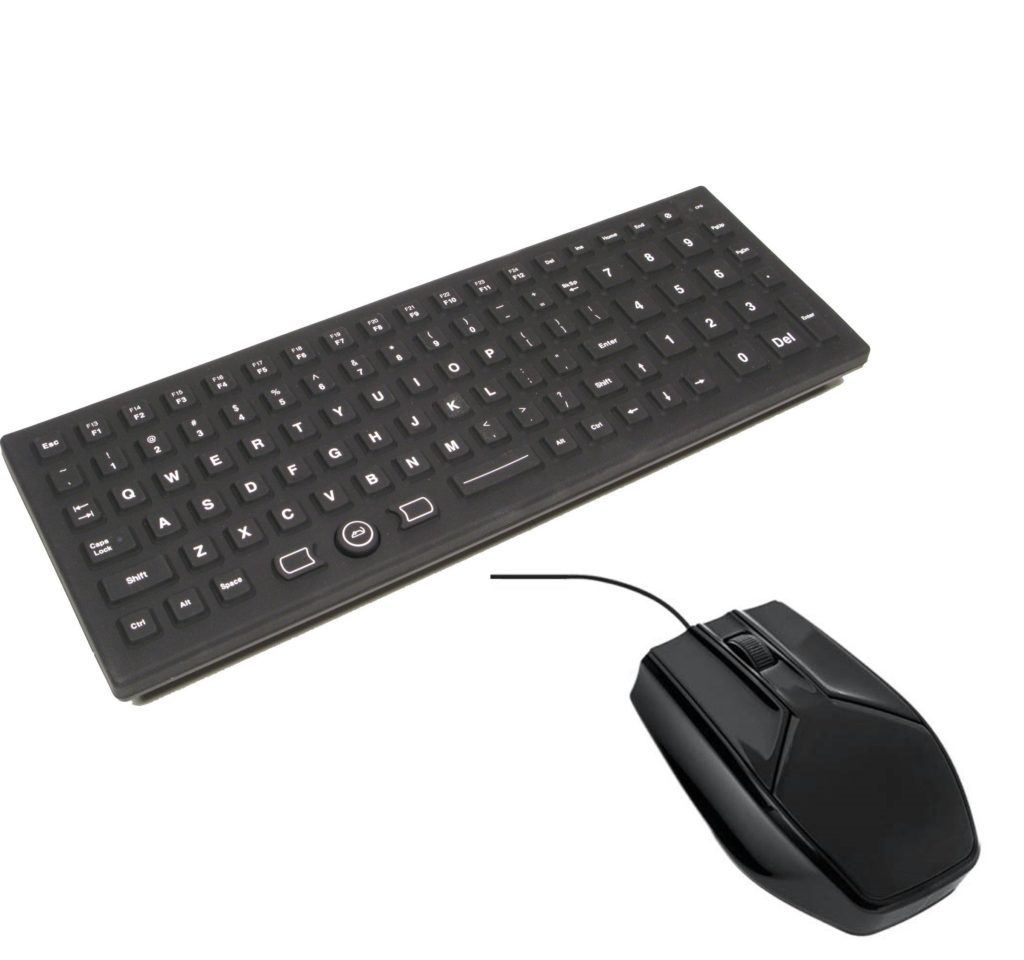
These Sealed Industrial Keyboards and Mice are built for use in dirty, wet, and harsh conditions. The perfect I/O complement to your Industrial PC platforms.
Copyright © 2024 Miller Technologies
Made with by Application X